Is Your Loved One's Home as Safe as It Feels?
Is Your Loved One's Home as Safe as It Feels?
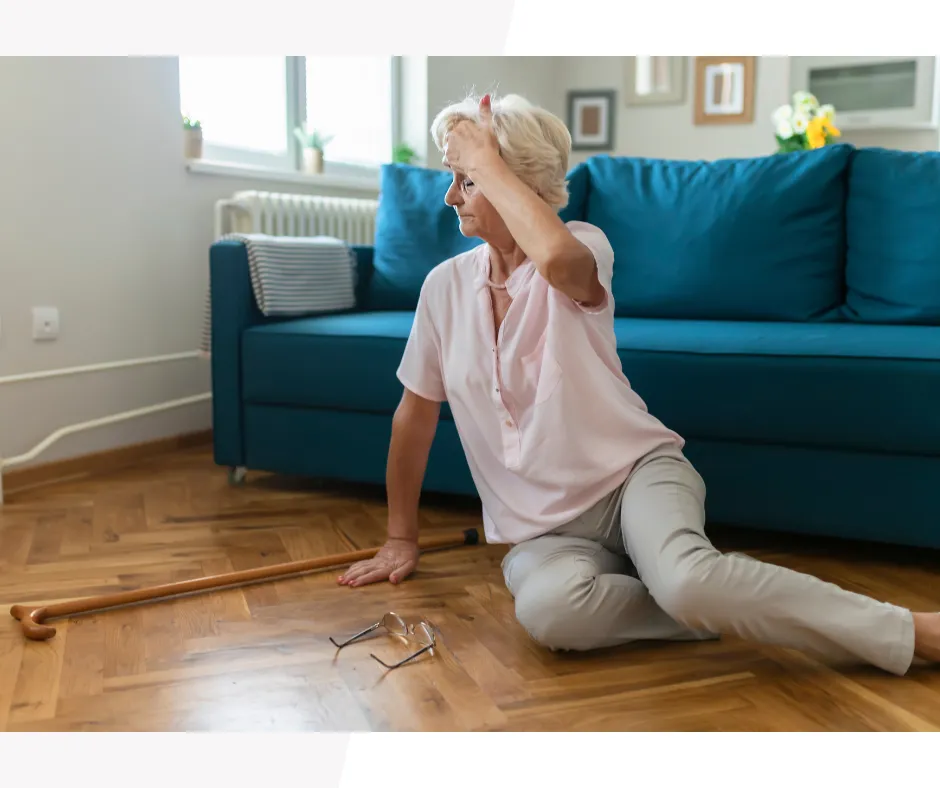
Most falls, accidents, and emergency room visits among older adults happen at home — and most of them are preventable. Here's what every Upstate SC family should know.
Picture this: your mom has lived in her Greenville home for 35 years. She knows every corner of it. She can navigate the hallway in the dark, step over the rug in the foyer without thinking twice, and manage just fine — or so it seems.
But here in Upstate South Carolina, we're watching a generation of older adults "age in place" in homes that were never designed for the realities of getting older. And the statistics are sobering:
1 in 4 adults 65 and older experiences a fall each year
80% of falls happen inside the home
Falls are the #1 cause of injury-related death among older adults
These aren't just numbers. These are our neighbors, our parents, our grandparents. The good news? The right information — and the right support — can change everything.
The Hidden Hazards in a Familiar Home
One of the most important insights from geriatric care experts like Dr. Louise Aronson, author of Elderhood, is that we often underestimate older adults — but we also underestimate risk. A home that felt perfectly safe at 55 may quietly become dangerous at 75, not because anything changed in the house, but because vision, balance, and reaction time change gradually, almost invisibly.
The most common hazards hiding in plain sight include:
Loose rugs and uneven thresholds between rooms
Wet bathroom floors and tubs without grab bars
Poor lighting in hallways and stairwells
Medication confusion or missed doses
Furniture too low to rise from safely
Cords and clutter in walking paths
Room by Room: What to Look For
Doing a safety walk-through of a loved one's home doesn't require a medical degree — it requires fresh eyes. Here's a practical guide:
Bathroom — The Highest-Risk Room in the House
Install grab bars beside the toilet and inside the shower — not just towel bars, which can pull free from the wall. Use a non-slip mat inside and outside the tub. Consider a shower seat and a handheld showerhead. Raise the toilet seat if needed. Good lighting is non-negotiable, especially for nighttime trips.
Bedroom — Where Many Falls Happen Overnight
Keep a clear path from the bed to the bathroom. Use a nightlight or motion-sensor light. Make sure the bed height allows feet to rest flat on the floor. Keep frequently used items — glasses, phone, medications — within easy reach from the bed.
Kitchen — Where Independence Lives
Move the most-used items to easy-reach shelves between hip and shoulder height. Use a sturdy step stool with a grip handle — never a chair. Keep the floor dry and consider removing rugs entirely. A simple medication organizer on the counter can prevent dangerous mix-ups.
Stairs and Entryways — The Transition Zones
Handrails should extend the full length of every staircase — on both sides if possible. Mark the edge of each step with non-slip tape. Keep the entryway clear and well-lit. If stairs are becoming difficult, have an honest conversation about a first-floor bedroom arrangement.
Medication Safety: The Silent Risk
Falls get most of the attention, but medication mismanagement is just as serious — and far more invisible. Many older adults are managing five, eight, even a dozen different prescriptions. According to the National Council on Aging (NCOA), adverse drug events send over 700,000 older Americans to emergency rooms every year.
Simple strategies make a real difference: a weekly pill organizer filled each Sunday, a posted medication schedule on the refrigerator, and a current medication list kept in the wallet for doctor visits and emergencies. Better yet, a trusted caregiver who can help manage and monitor daily medications.
Technology as a Safety Net
We're fortunate to live in a time when technology can add a meaningful layer of protection. Medical alert systems — the kind worn as a pendant or watch — have come a long way. Today's devices detect falls automatically, work outside the home, and include two-way communication with emergency services.
Smart home features like voice-activated lights, video doorbells, and medication reminder apps can extend independence significantly. And for families spread across the Upstate — or with loved ones living on their own here in Greenville, Spartanburg, or Anderson — remote check-in apps offer genuine peace of mind.
The Conversation No One Wants to Have (But Everyone Needs To)
Here's the truth that families in Upstate SC tell us again and again: they knew something needed to change, but they didn't know how to start the conversation. Nobody wants to feel like they're taking over a parent's independence.
Atul Gawande, author of Being Mortal, puts it beautifully: the goal of a good life isn't safety for its own sake — it's maintaining what matters most to the person. For most older adults, what matters most is staying in their own home, on their own terms, for as long as possible. Safety modifications and the right support don't threaten that independence. They protect it.
Starting with a home safety assessment — rather than a difficult family conversation — gives everyone an objective starting point. It removes the emotion and replaces it with a practical plan.
You Don't Have to Figure This Out Alone
At Oasis Home Care, we work with families all across Upstate South Carolina who are navigating exactly this season of life. We know how much love goes into these decisions. We know how complicated it can feel to balance a parent's pride with their safety, their independence with your worry.
Our non-medical home care services are built around one simple belief: older adults deserve to live with dignity, purpose, and safety — in the place they love most. Whether it's a few hours of companionship and assistance each week or more comprehensive daily support, we'll meet your family exactly where you are.
Because home should always feel like home.
🏠 Free Home Safety Assessment — No Obligation
Oasis Home Care is offering a free home safety assessment for families in the Upstate, SC area.
Our team will walk through your loved one's home with fresh, professional eyes — identifying hazards, recommending modifications, and helping your family build a plan that supports independence and safety. No pressure. Just clarity.
📞 Call us: 864-230-1262 📧 Email: [email protected] 🌐 Visit: www.oasishomecarellc.com
Oasis Home Care — Serving families throughout Upstate, South Carolina.
